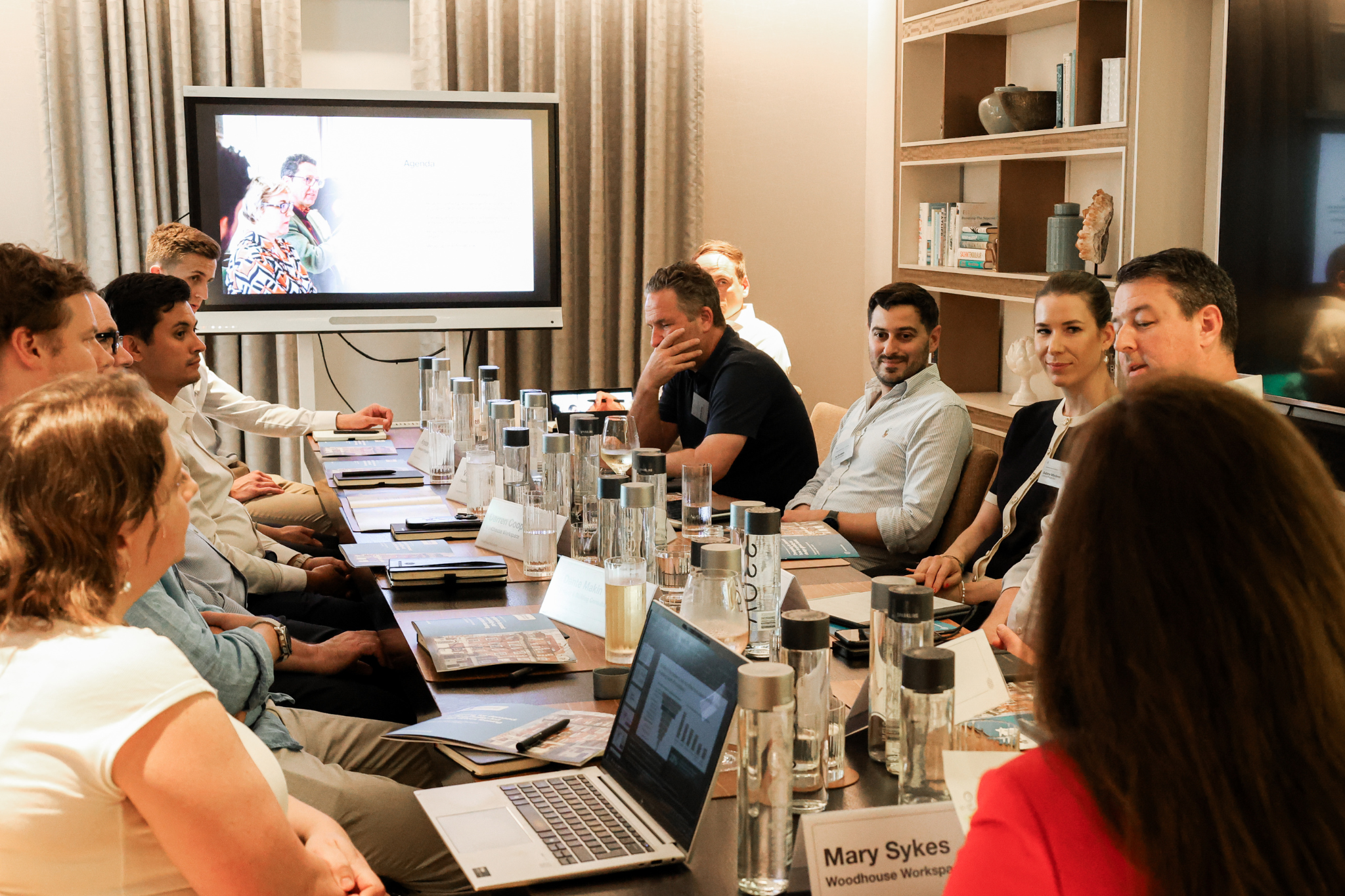
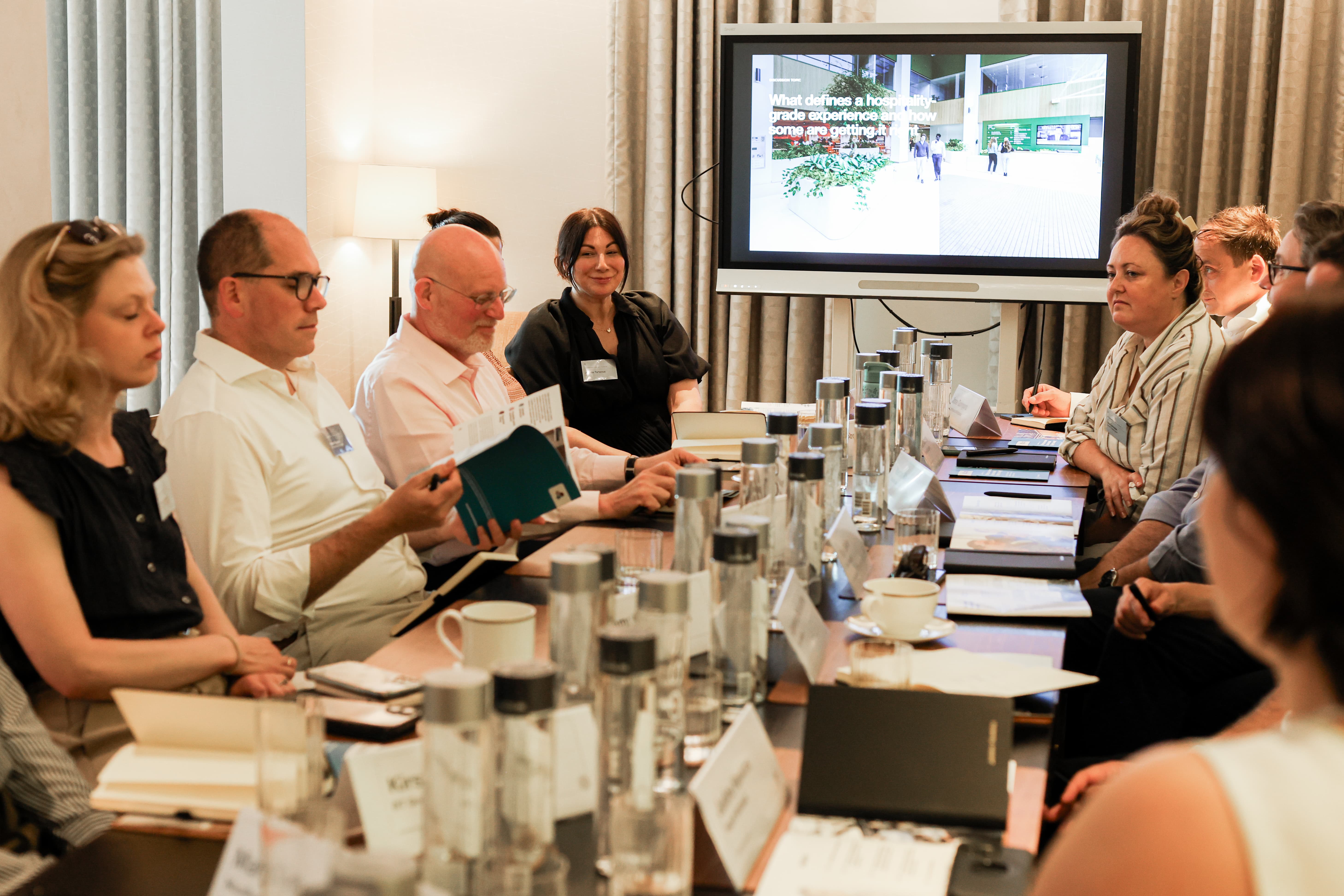
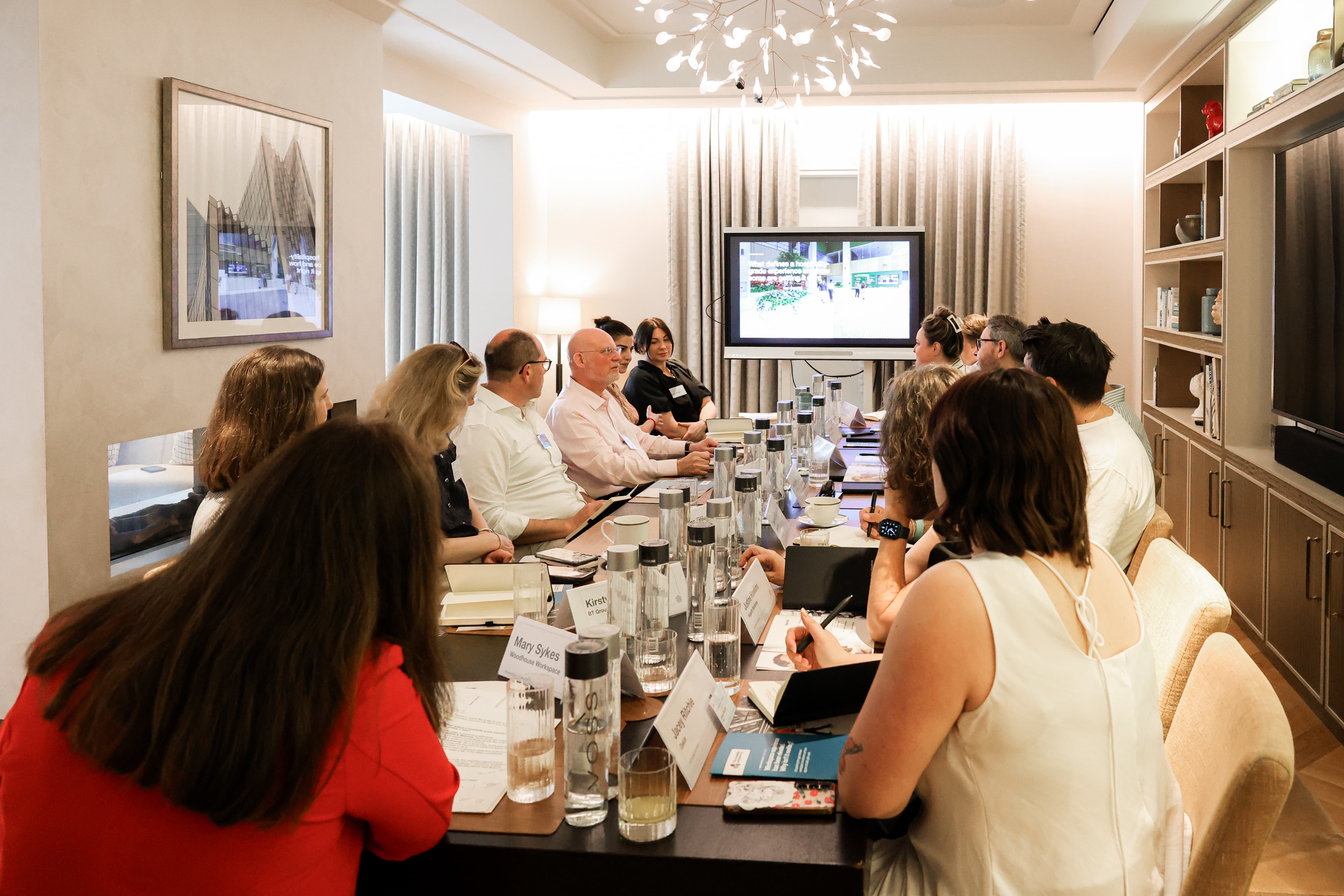
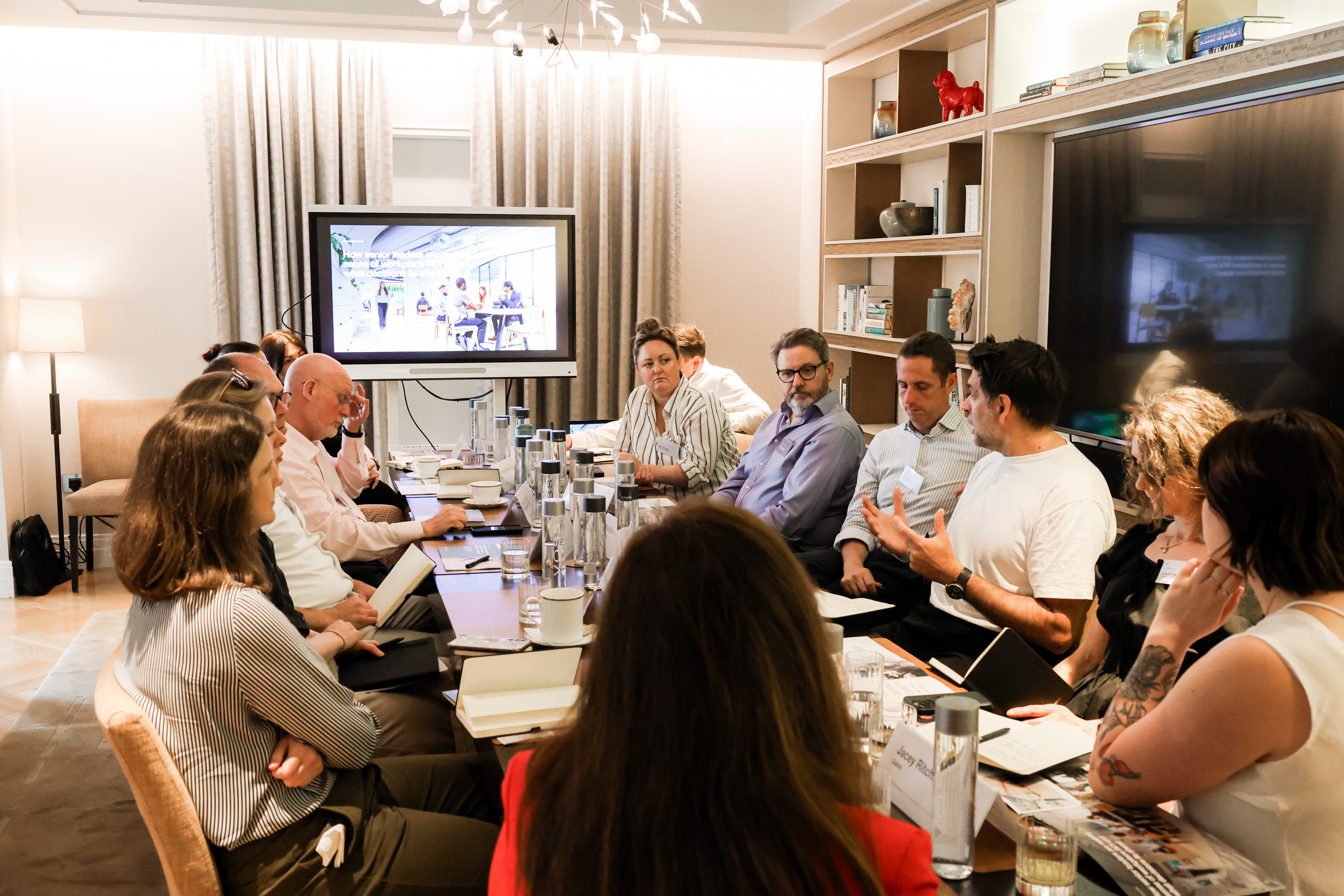
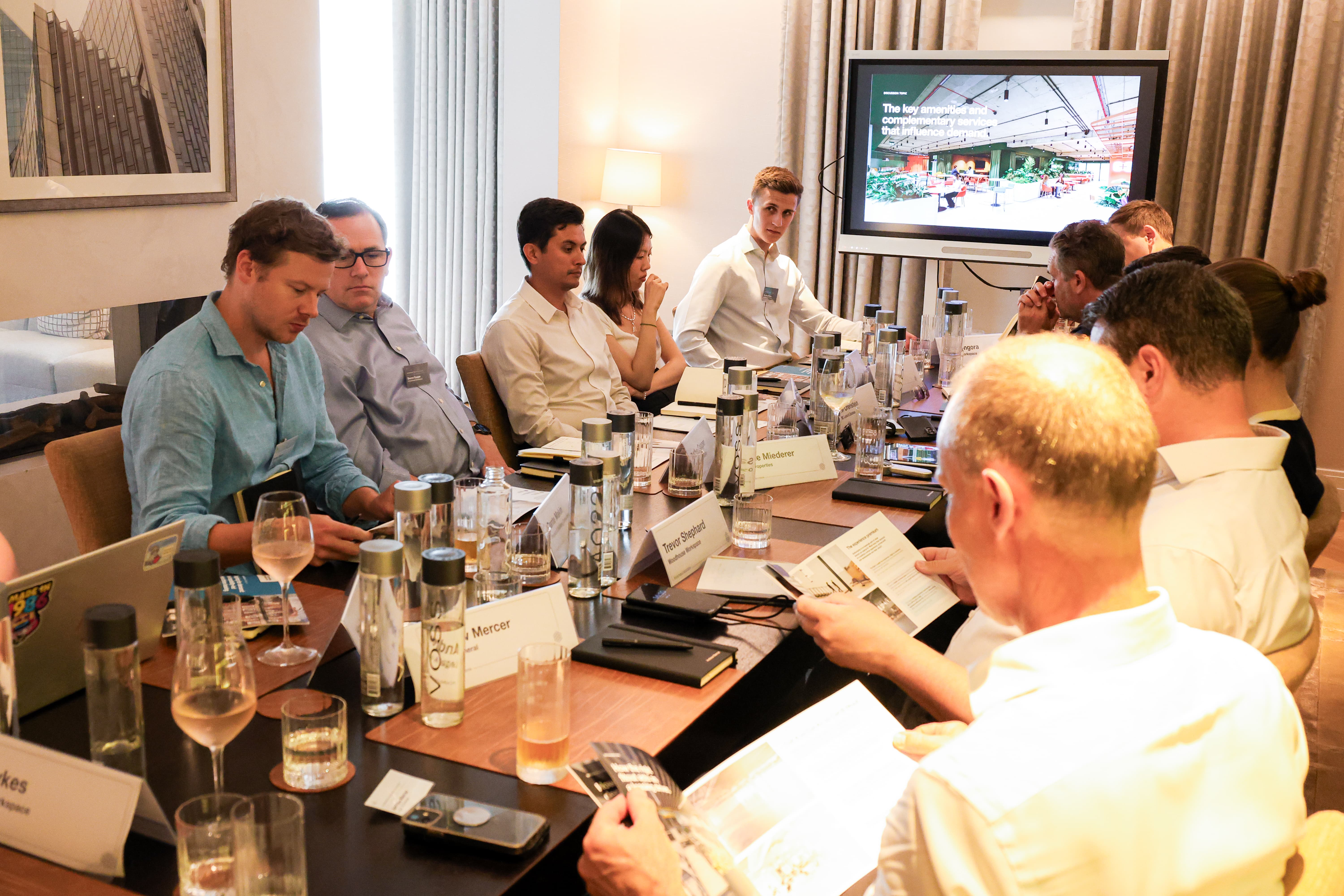
Woodhouse brought together occupiers, landlords, asset managers and property professionals to explore what really makes a workplace successful today. The conversations challenged the idea that better workplaces simply mean adding more amenities, and instead focused on a more fundamental question: what do people actually need from the places they work?
We've brought the key insights from these discussions together in our latest whitepaper, The Experience Equation, exploring what occupiers need, where landlords are investing, and what really makes a workplace irresistible.

We brought occupiers and property professionals together to ask one question: what really makes a difference?
For occupiers, it’s about understanding what people need from the workplace. For landlords, it’s about knowing where investment will genuinely create value.
The conversations revealed a shared challenge: move beyond providing more, and understand what matters.
The Experience Equation explores what that means for both sides of the market.
One of the strongest themes from both discussions was the growing recognition that workplace success cannot be measured by amenities alone. Participants reflected on how workplace perks that once felt distinctive can quickly become expected, whether complimentary food, wellness facilities, fitted space or hospitality-led services.
Rather than asking what else can be added, the conversation increasingly focused on what genuinely improves experience, influences behaviour and creates lasting value.
Both groups arrived at a similar conclusion from different starting points. Occupiers spoke about understanding employee behaviours, motivations and barriers to attendance before making workplace decisions. Landlords discussed understanding occupier needs, local market conditions and building context before committing capital investment.
Several participants shared examples where relatively simple interventions proved highly successful because they responded to a specific need, while more substantial investments sometimes delivered limited impact when based on assumptions rather than insight.
Perhaps the most interesting outcome was that neither discussion remained focused solely on physical space. As conversations developed, participants repeatedly returned to themes such as culture, communication, leadership, behaviour and workplace change.
These themes closely align with Woodhouse's Irresistible Workplace Trio: cultivated behaviours, hospitality-grade experience and supported change. Together, the discussions suggested that successful workplaces depend not on any single intervention, but on how these elements work together to support both people and performance.






.webp)

.webp)