Inclusion isn’t a box to tick – it’s a mindset that should shape every decision in workspace design. Too often, accessibility or neurodiversity considerations are added retrospectively, as reactive fixes. Instead, we should design for diversity upfront, ensuring spaces work for everyone.

Allianz set out to create a truly inclusive new HQ and commissioned Woodhouse to fit out their building at Botanica, Ditton Park. Accessible tea points were incorporated, providing all employees with equal opportunity to prepare food and socialise together. As the client team wanted health and wellbeing at the heart of the design, we incorporated skilful biophilia throughout the space and made full use of the building’s excellent natural light. This created an indoor environment that perfectly reflected the tranquil surroundings of the rural Surrey location – a truly calming and inclusive workspace.
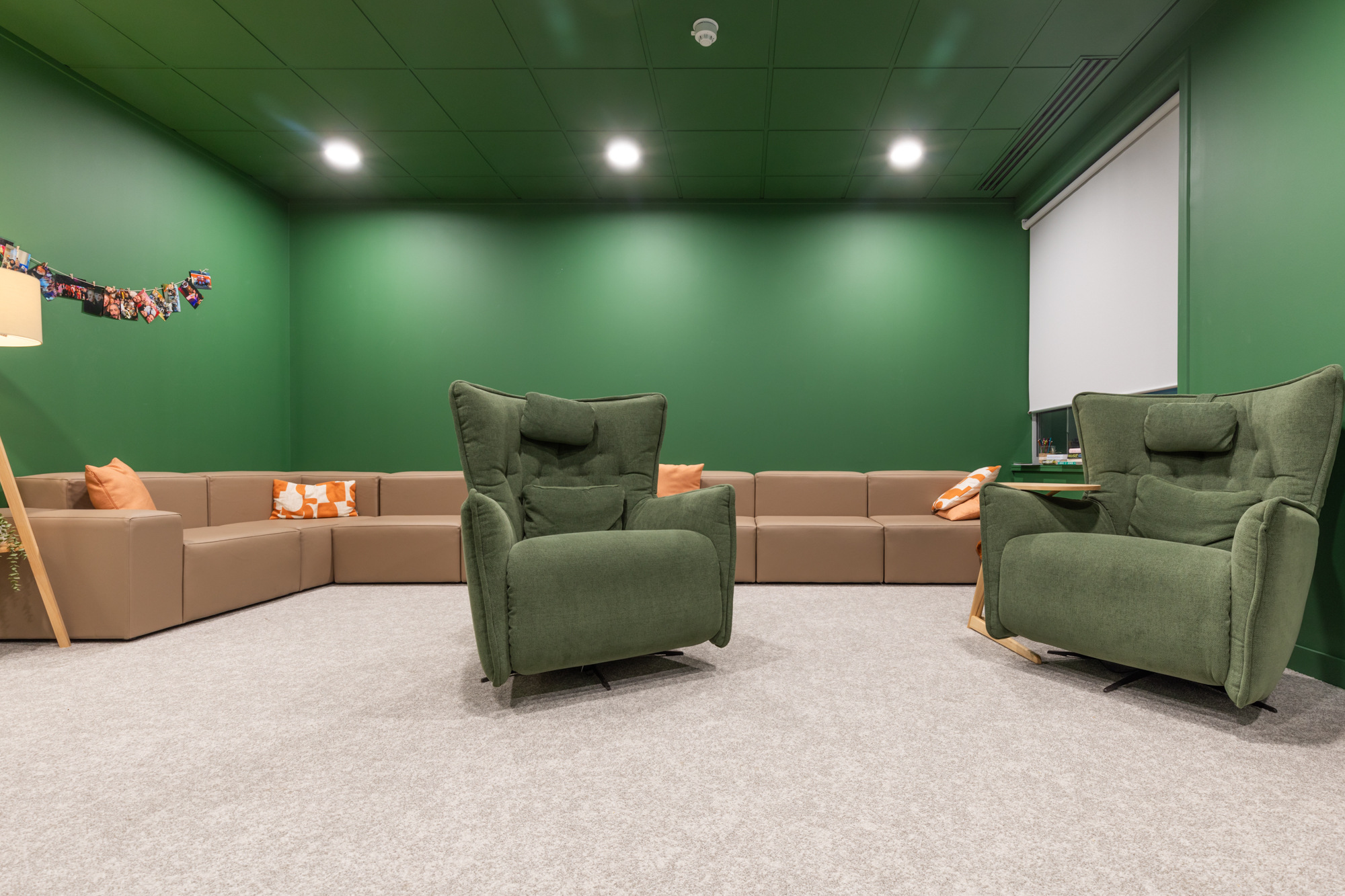
As part of creating a custom space for the 24/7 easyJet Airlines team – located in a shared building with easyJet Holidays – we recognised the team’s need for a controlled zone where lighting could be independently adjusted to suit individual preferences. Darker finishes were carefully chosen to minimise glare and enhance comfort. In addition, Woodhouse provided dedicated rest areas with comfortable recliners, giving employees a place to relax and take time out.
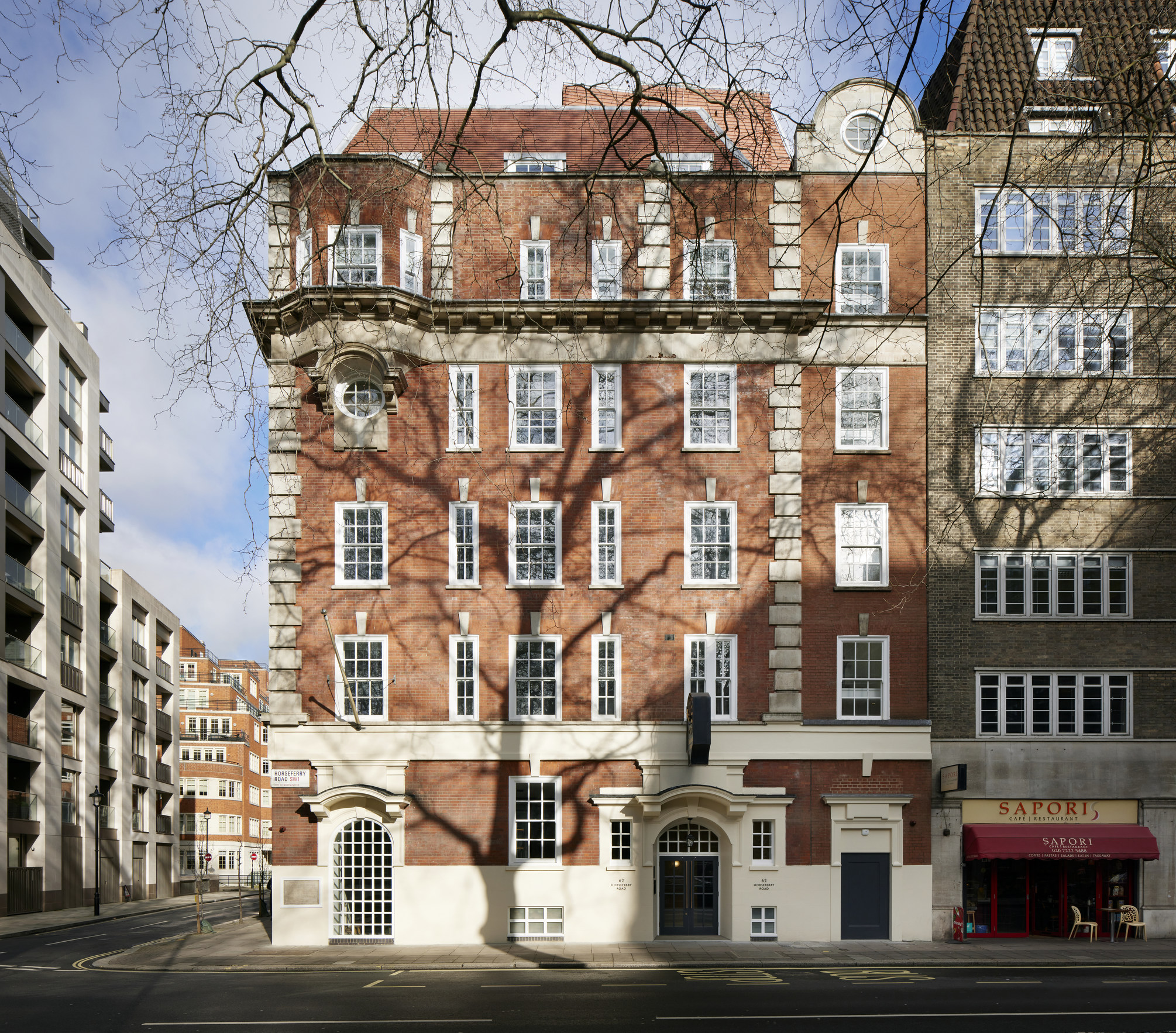
At 62 Horseferry Road, we refurbished a Grade II listed building into a flagship Westminster workspace, creating a first class office space whilst retaining the heritage of the building. To improve its sustainability, we integrated cutting-edge technology, installed energy-efficient systems, diverted waste from landfill, and used sustainably sourced and recycled materials. We included bike storage and showers to encourage active lifestyles, while ensuring these spaces remained as spacious and well considered as everywhere else. The result was a BREEAM ‘Excellent’ rating, a WiredScore 'Gold’ rating, and – particularly impressive for a refurbishment – an EPC of ‘A’. Sustainability is now deeply ingrained in every element of the building.
.webp)

.webp)
The workplace is no longer just a physical location—it’s an experience that shapes how people feel, work, and connect. By designing spaces that prioritise inclusivity, wellbeing, and flexibility, organisations can create environments where employees thrive. When we align workspace design with culture and values, we don’t just build offices—we build communities that inspire collaboration, creativity, and belonging.