
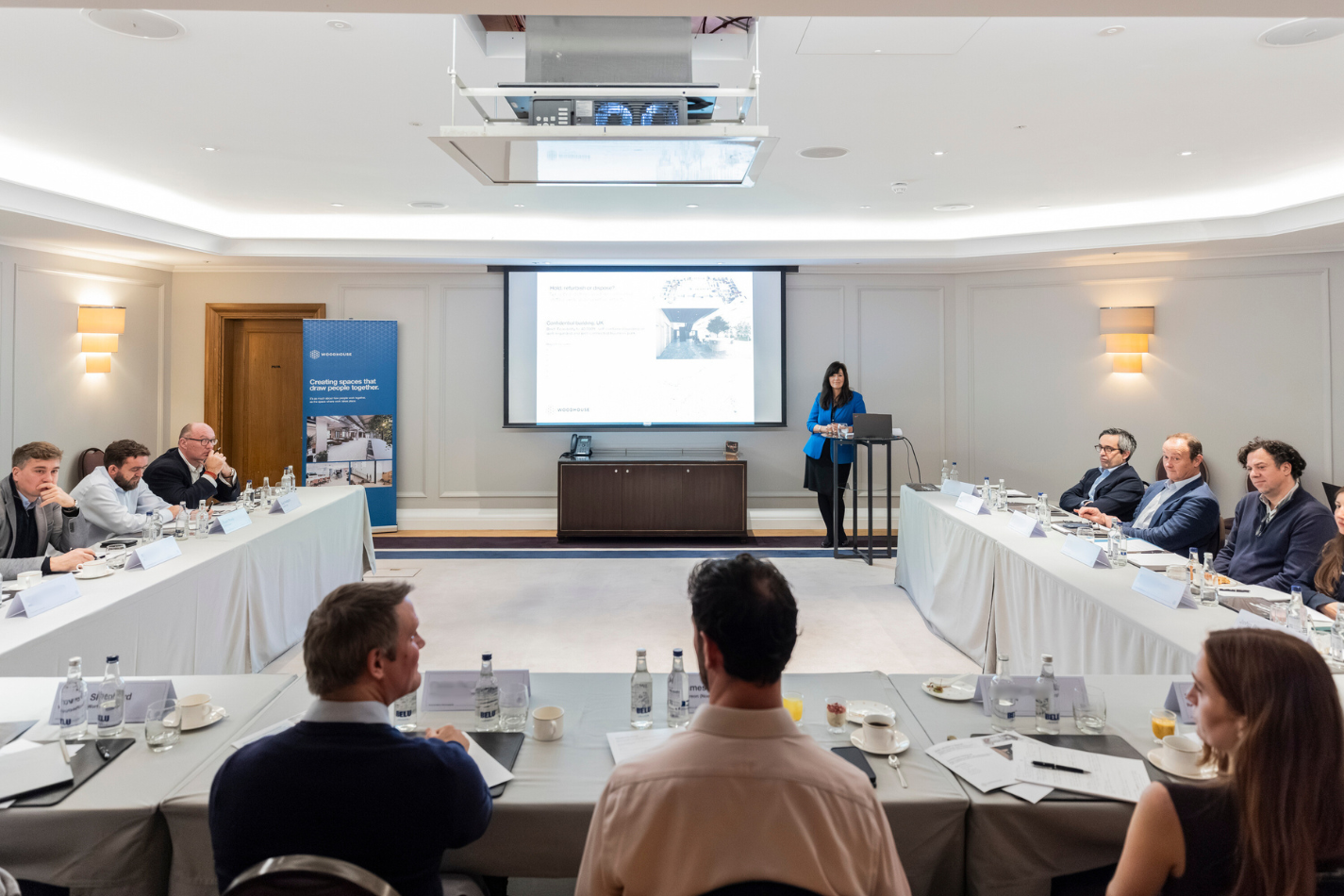
Our recent roundtable discussion explored the evolving dynamics of attracting and retaining tenants in a competitive property market. From ESG priorities to technology adoption, the conversation highlighted practical strategies and challenges shaping the sector.

Modern occupiers expect more than a standard office fit-out. Amenities such as gyms, showers, cycle storage, and communal spaces are increasingly seen as essential rather than optional. However, the real differentiator lies in flexibility. Smaller businesses, for instance, value short-term commitments and ease of occupation over lengthy leases. Monthly rental options and plug-and-play solutions are gaining traction, as they remove friction and allow tenants to move in quickly without significant upfront investment.
Interior design and curated environments are now central to tenant attraction. While ESG considerations remain important, occupiers often prioritise amenities, wellbeing, and community over sustainability considerations. Investing in high-quality fit-outs can deliver returns, but these may take several leasing cycles to materialise. Regional markets show potential for rental uplift when confidence in quality is demonstrated, though agent perspectives can influence outcomes. In some cases, landlords are moving beyond Cat A to Cat A+ or fully furnished spaces to meet demand, despite the higher upfront costs.
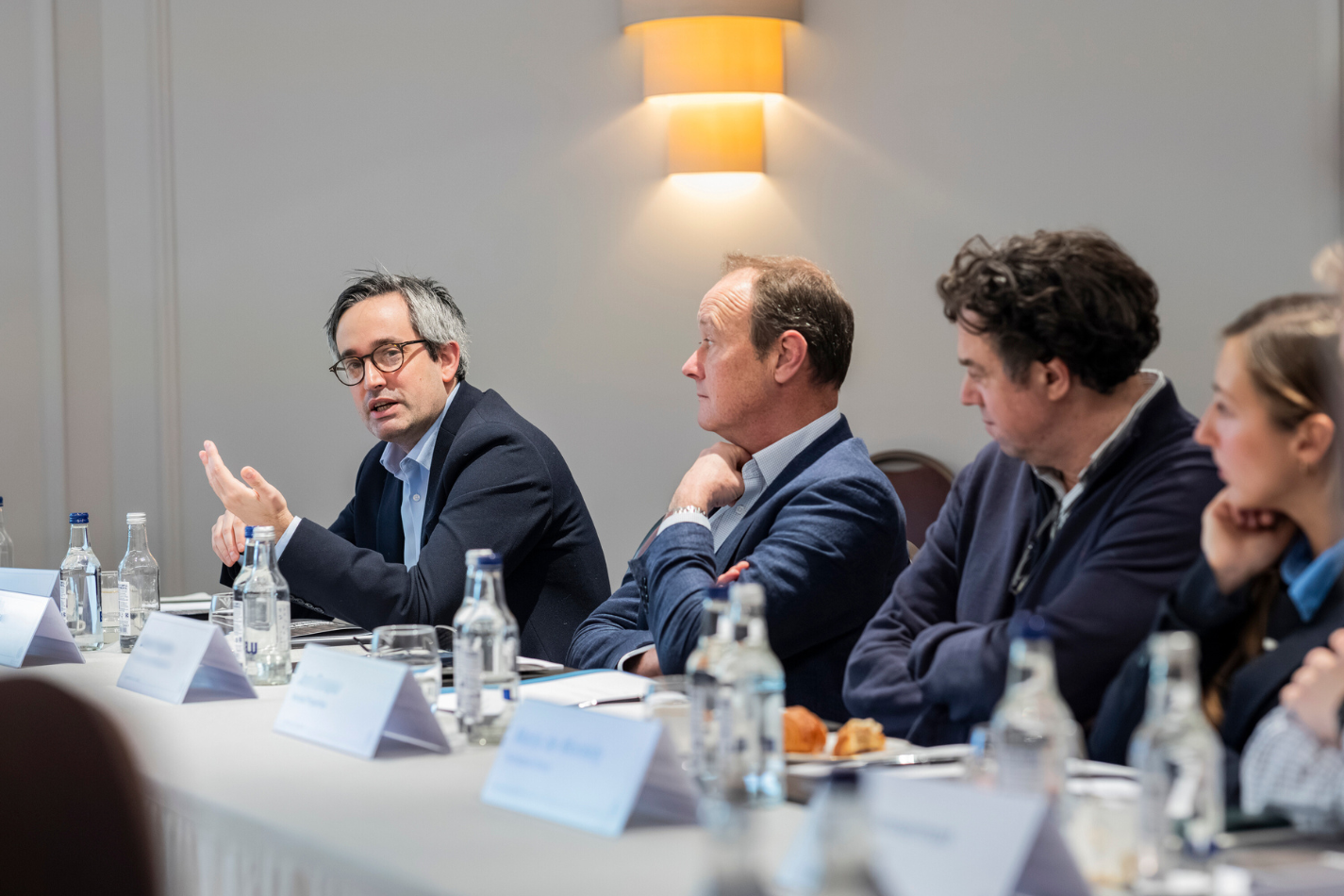
Deciding whether to hold, refurbish, or dispose of an asset depends on location, capital structure, and market conditions. Listed buildings, for example, often limit repurposing options, making refurbishment the most viable route. Long-term capital provides flexibility for reinvention, while short-term investors face tighter constraints. Understanding local market dynamics and service charge structures is critical. Successful strategies often involve reinventing space to deliver better quality environments, rather than simply upgrading finishes.
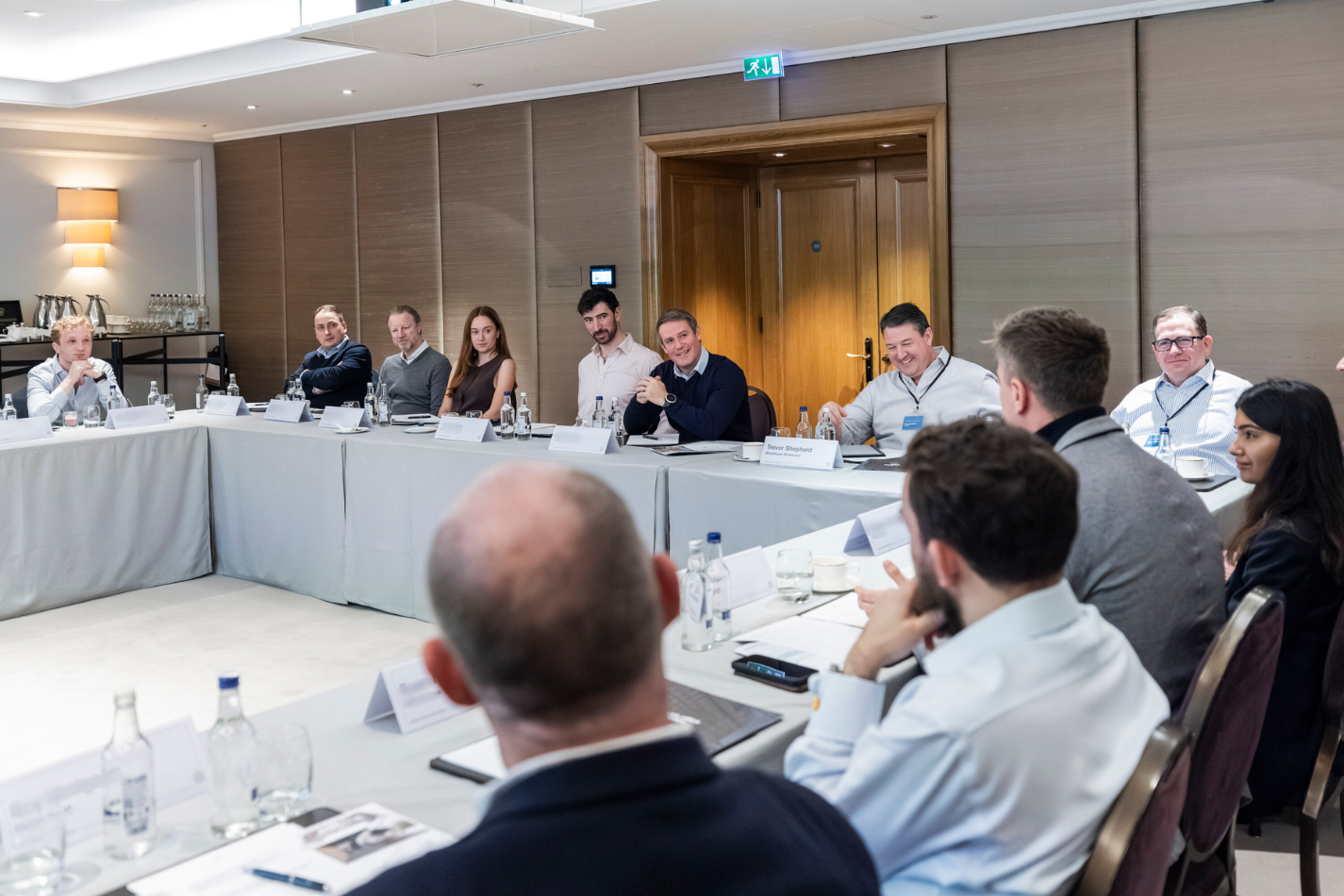
Although legislation remains unclear, lenders and occupiers are driving the push for higher ESG standards. Buildings below EPC B risk becoming stranded assets, making upgrades essential. However, the market faces confusion over accreditations and practical solutions. Owners must balance sustainability goals with cost efficiency, avoiding unnecessary replacements of systems that still have lifecycle value. EPC and BREEAM remain the most recognised benchmarks, but their correlation with actual building performance is often questioned. Occupiers increasingly expect landlords to demonstrate genuine ESG credentials rather than greenwashing.
Technology adoption varies by building size and market. Large-scale developments benefit from advanced management systems, while smaller spaces often rely on personal relationships between property managers and tenants. While VR and CGI tools can support marketing, physical fit-outs still provide the most tangible impact. The challenge lies in justifying capital expenditure and demonstrating clear returns to investors. Occupiers want buildings that work seamlessly, without unnecessary complexity.



.webp)

.webp)
The market faces multiple headwinds—planning complexities, rising build costs, and economic uncertainty. Yet opportunities exist in creative asset strategies, regional acquisitions, and subdivision of larger floorplates to meet demand for smaller suites. Service quality and community engagement remain top priorities for occupiers, reinforcing the need for a tenant-centric approach. Premiums are increasingly linked to wellbeing and amenity rather than ESG rankings alone, reflecting a shift in occupier priorities.
The discussion made one thing clear: attracting and retaining tenants today is about more than ticking boxes. Flexibility is king—short-term leases and plug-and-play solutions are essential for smaller occupiers. Quality matters, not just in fit-out but in creating curated environments that foster wellbeing and community. ESG remains a critical consideration, but landlords must focus on practical, cost-effective upgrades rather than chasing accreditations. Technology should enhance the tenant experience without adding unnecessary complexity. Ultimately, success lies in understanding occupier needs and delivering spaces that combine convenience, quality, and relevance. Those who adapt confidently to these trends will not only fill voids but create long-term value in an increasingly competitive market.