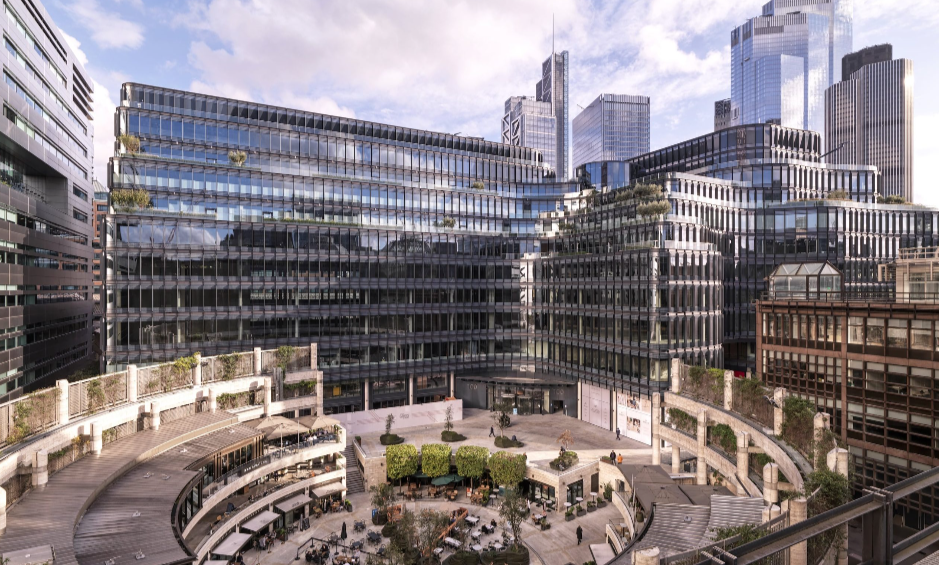
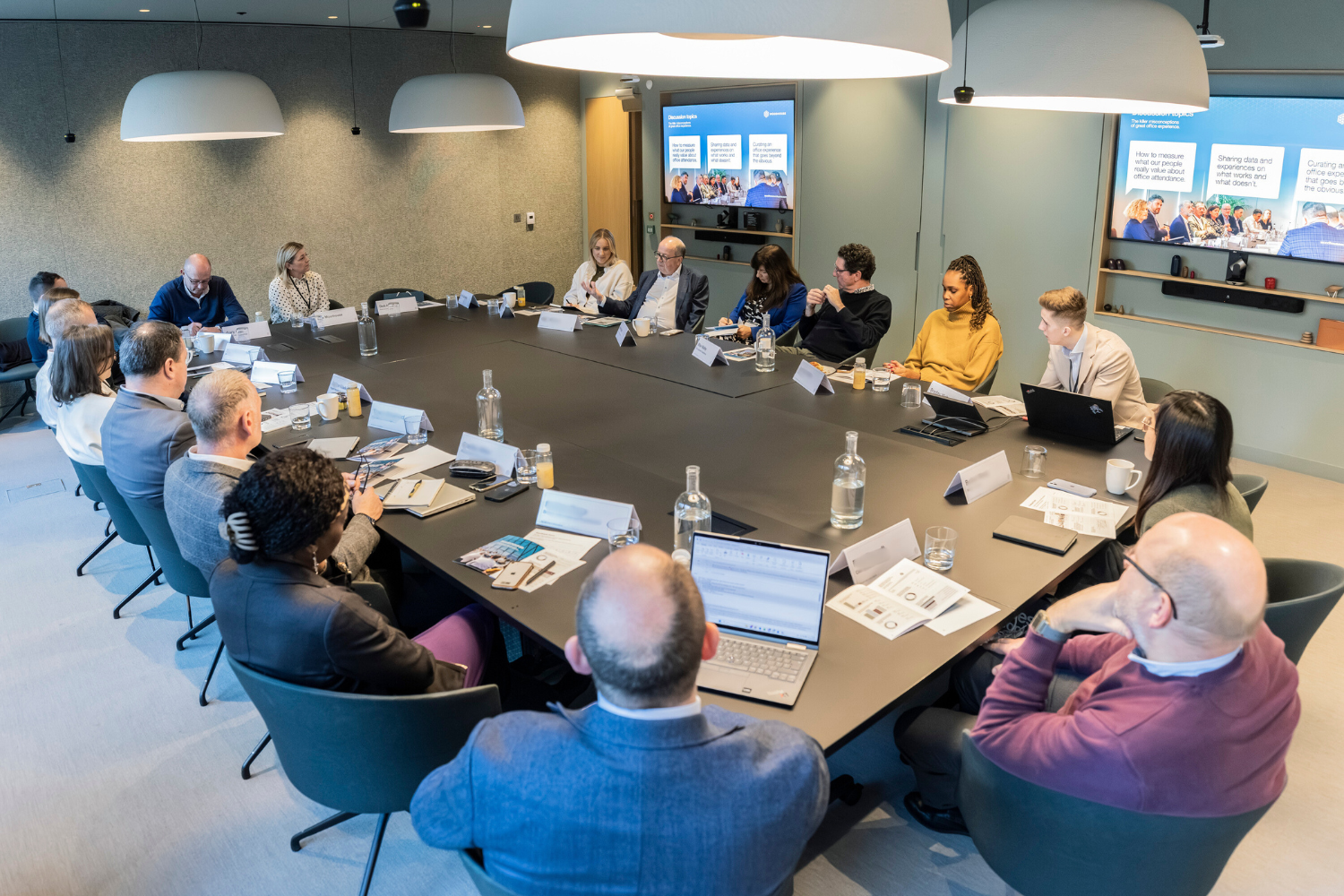
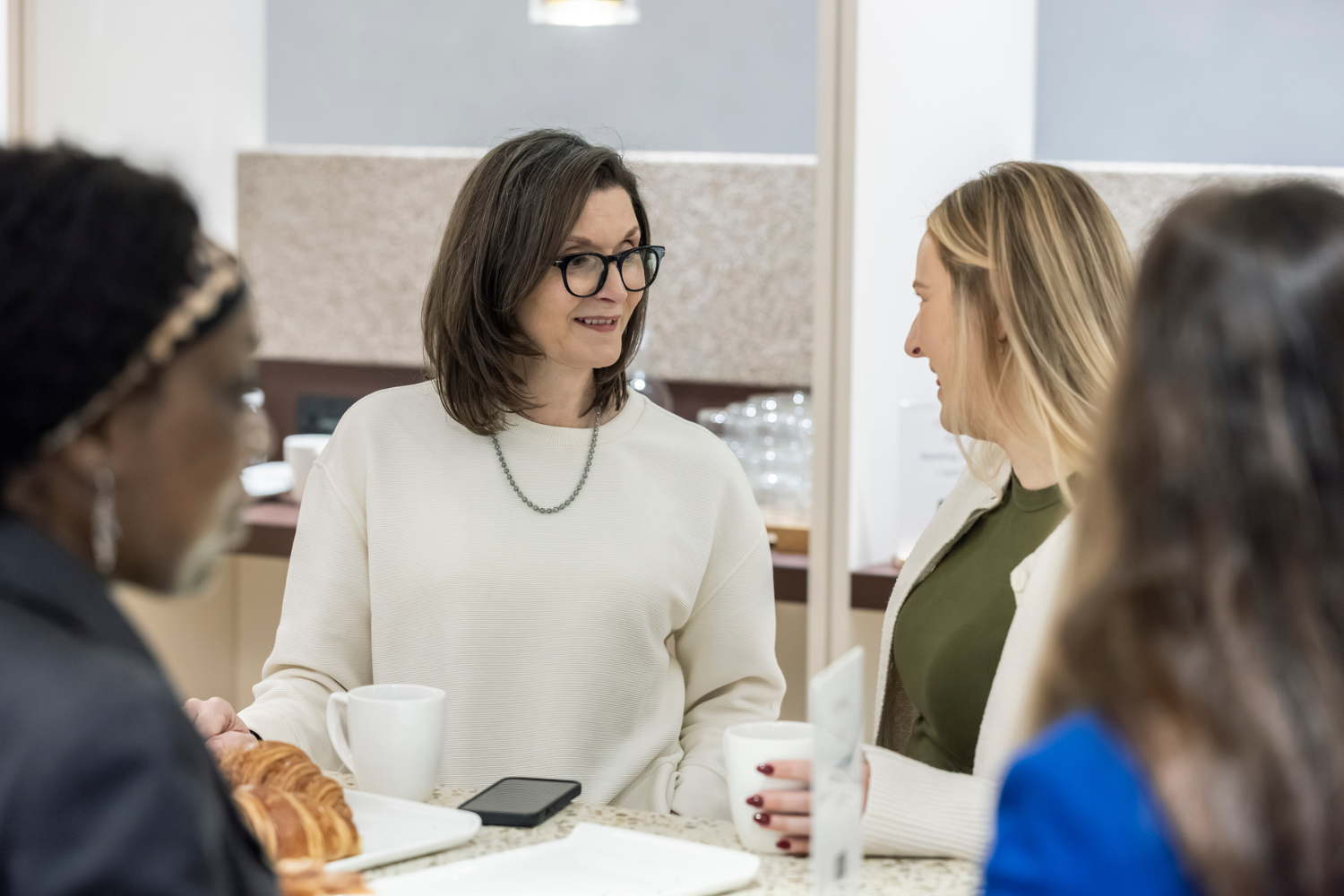
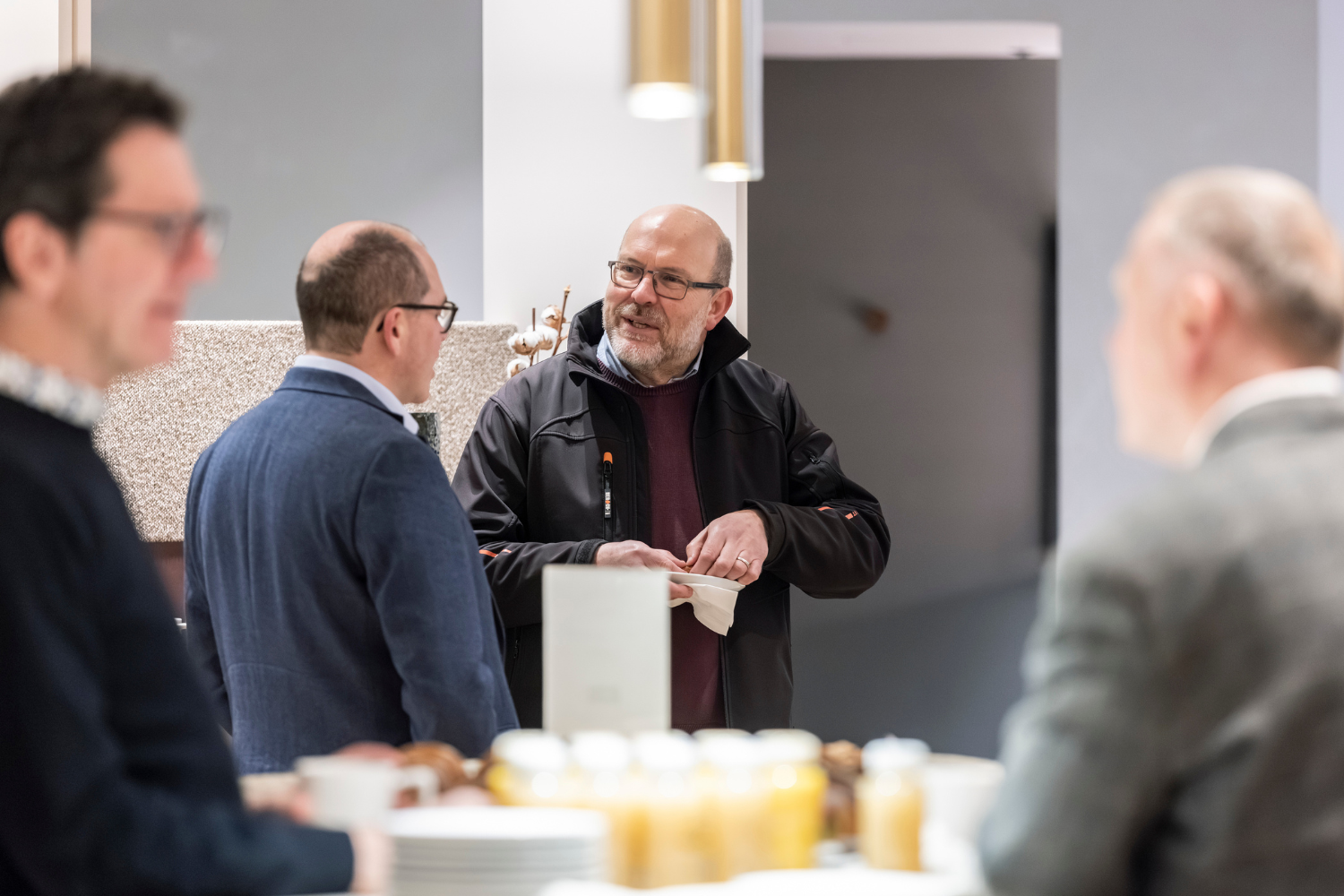
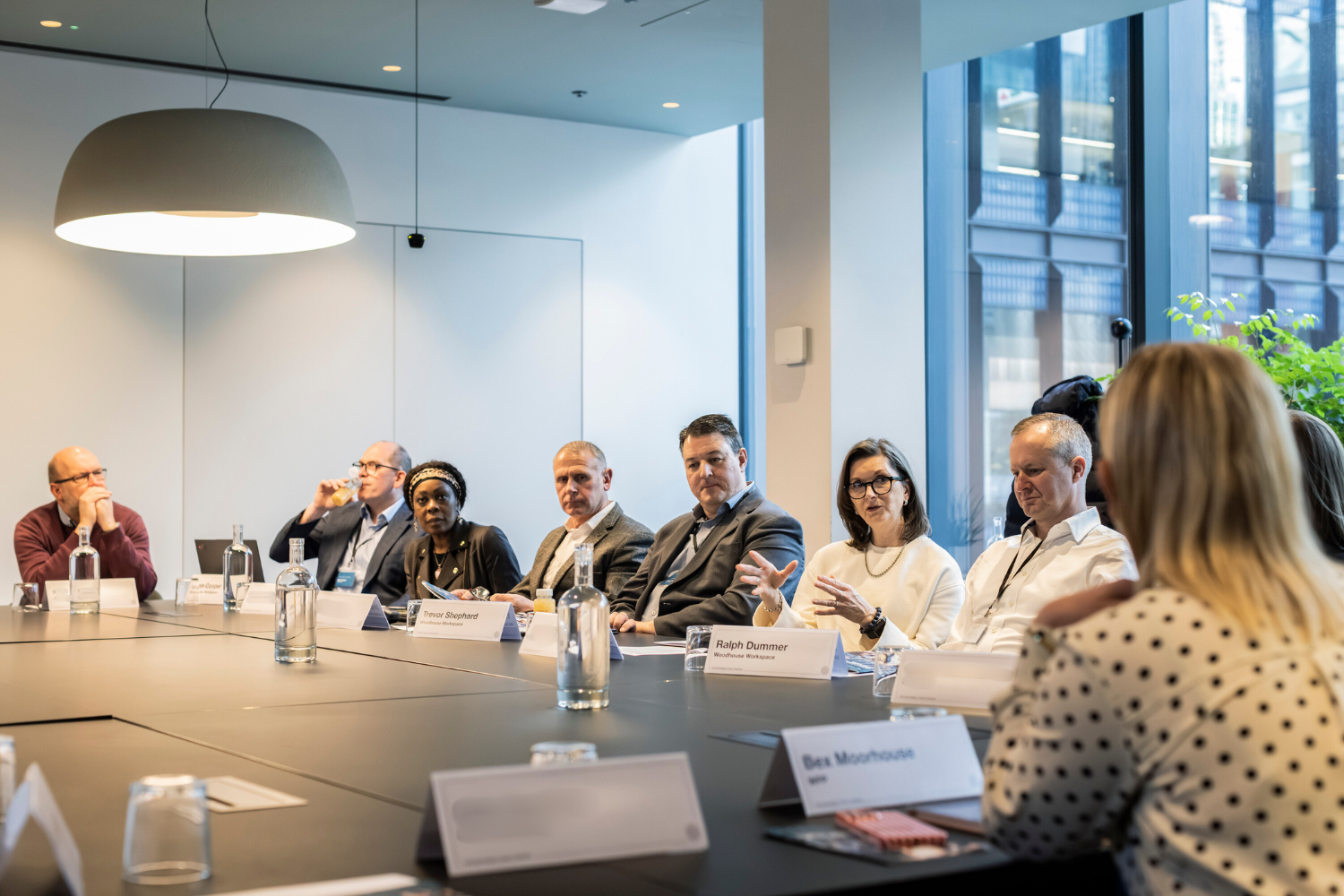
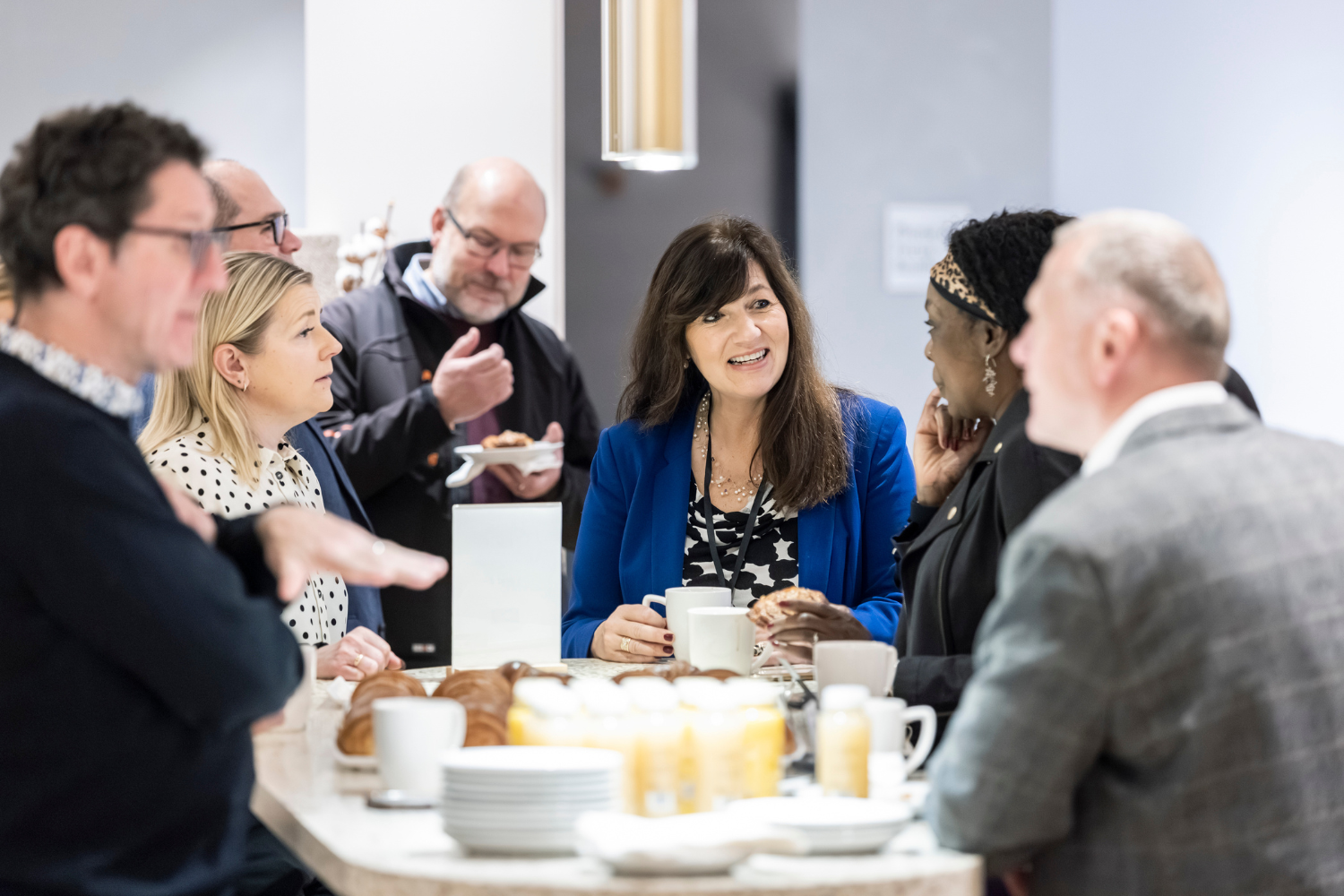
In the state-of-the-art space at 100 Liverpool Street, professionals from a variety of leading organisations gathered for a Roundtable event. The focus of this event was exploring what our people really value about coming into the office, and unpacking whether our assumptions were accurate.
In this article, we summarise some of the key takeaways that were arrived at in the discussion:

The discussion opened with a shared belief that the workplace is more than just a location—it’s a platform for building community. While hybrid work has become the norm, the physical office still plays a critical role in fostering connection and belonging. Many participants agreed that in-person interactions create a sense of purpose and alignment that virtual meetings often fail to replicate. Simple elements like coffee stations and functional spaces matter far more than extravagant perks like gyms or bars.
Several contributors highlighted that creativity and collaboration thrive when teams meet face-to-face. Spontaneous conversations—those “hallway moments”—often uncover issues and spark ideas that scheduled virtual calls miss. Leaders emphasised that visibility in the office strengthens team cohesion and helps employees feel part of something bigger than their individual roles. For younger teams, physical presence offers learning opportunities and a tangible sense of belonging.
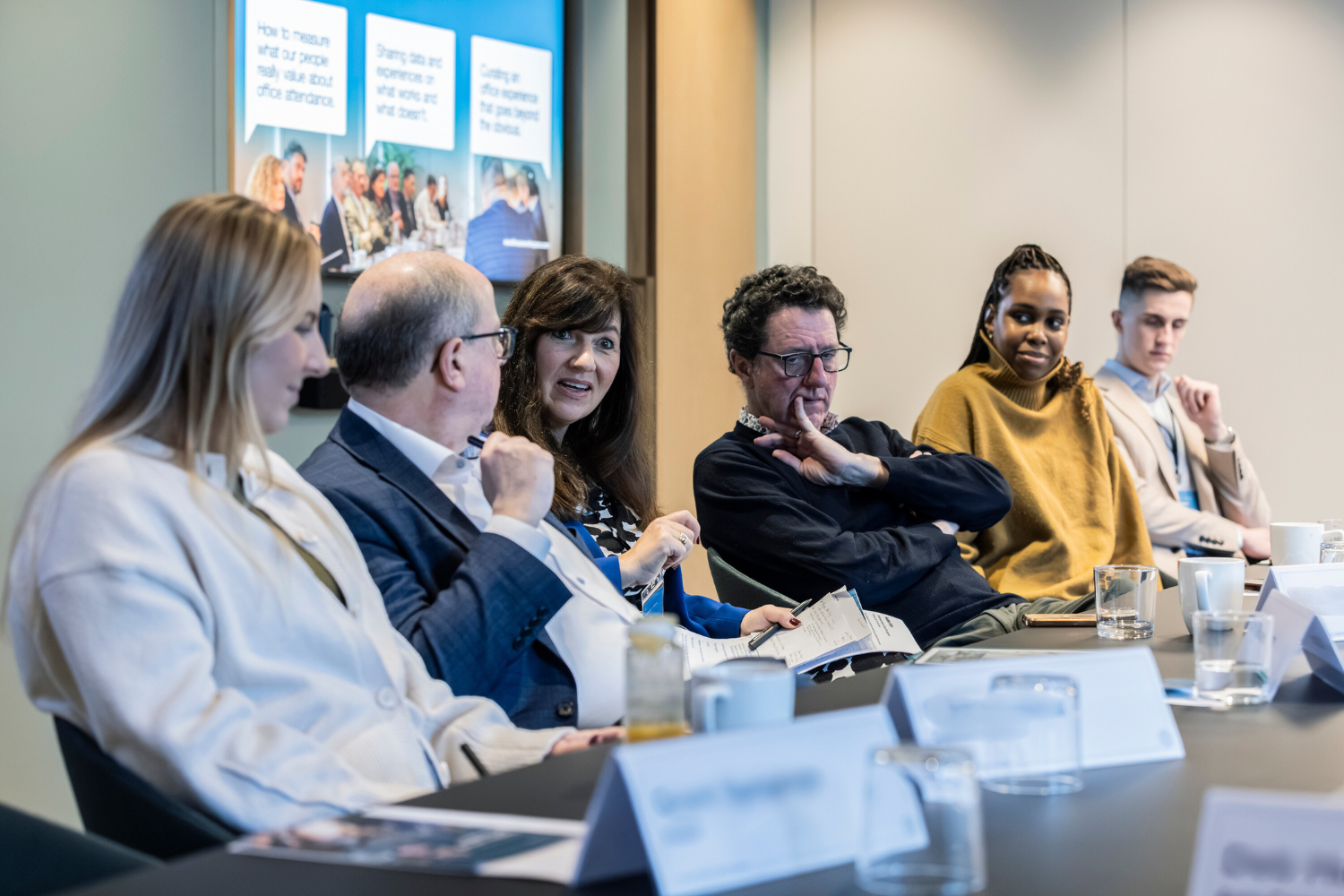
One recurring theme was the tension between mandating office attendance and creating environments that attract people voluntarily. Attempts to enforce rigid return-to-office policies often backfire, leading to disengagement. Instead, organisations should focus on reducing friction and improving the baseline experience—from reliable Wi-Fi to ergonomic furniture. The consensus: trust and empowerment work better than mandates. People want flexibility, not ultimatums.
Culture isn’t built through words on a page or values on a wall - it’s shaped by everyday experiences. From the moment employees enter the building, small details matter: a welcoming front desk receptionist, hydration stations, and participants said that even humorous signage in restrooms has added huge personality to the space. These gestures signal care and belonging, reinforcing that the office is a place where people feel valued.
The question then is, how do we know if the office is working? Traditional surveys often fail to capture the nuances of employee sentiment. Participants suggested more creative metrics, such as tracking occupancy trends, observing collaboration in shared spaces, and even “measuring smiles.” Physical walkthroughs and informal feedback loops can reveal why certain areas remain unused and what changes might encourage engagement.

.webp)

.webp)
Exposure to senior leaders remains a powerful motivator. When leaders step out of their offices and engage with teams, it creates trust and connection. However, many leaders themselves resist returning, highlighting the need for intentionality. Organisations should encourage leadership presence without making it feel forced, ensuring that visibility translates into meaningful interactions.
The conversation concluded with a reminder that humans resist being told what to do. The most productive and engaged workplaces are those that allow individuals to work in ways that suit them while still fostering opportunities for connection. Hybrid models will continue to evolve, but success hinges on listening to employees, appreciating their effort, and creating spaces that feel worth the commute. Ultimately, it’s about magnets, not mandates—building environments that people want to be part of.
The roundtable made one thing clear: the office isn’t obsolete, but its purpose has shifted. It’s no longer just a place to work—it’s a hub for collaboration, culture, and belonging. Organisations that focus on the fundamentals, embrace flexibility, and prioritise human connection will create workplaces that people choose to return to. In the end, the future of work isn’t about enforcing presence—it’s about designing experiences that make presence meaningful.